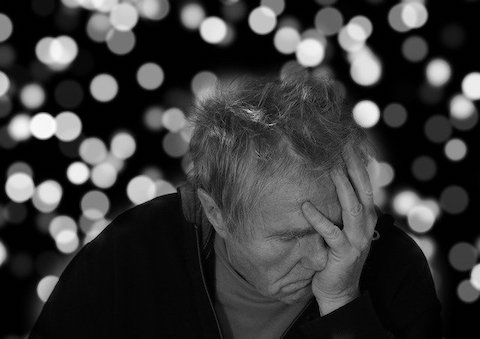
A research review on the affect of grief and bereavement on mental and physical health outcomes found a person’s situational, inter-personal, and coping factors affect grief and bereavement outcomes in complex ways. It also noted that many potential factors that affect grieving after a bereavement have been under-researched.
It found that people who have been bereaved are more likely to have physical health problems, particularly those who have been bereaved recently. Bereaved individuals also have higher rates of disability, medication use, and hospitalisation than non-bereaved counterparts.
Bereavement is also associated with a wide range of physical and psychological symptoms causing researchers to regard grief as a complex emotional syndrome. These symptoms can include:
Affective:
- Depression, despair, dejection, distress
- Anxiety, fears, dreads
- Guilt, self-blame, self-accusation
- Anger, hostility, irritability
- Loss of pleasure
- Loneliness
- Yearning, longing, pining
- Shock, numbness
Cognitive:
- Preoccupation with thoughts of deceased, intrusive ruminations
- Sense of presence of deceased
- Suppression, denial
- Lowered self-esteem
- Self-reproach
- Helplessness, hopelessness
- Suicidal ideation
- Sense of unreality
- Memory, concentration difficulties
Behavioural:
- Agitation, tenseness, restlessness
- Fatigue
- Overactivity
- Searching
- Weeping, sobbing, crying
- Social withdrawal
Physiological–somatic:
- Loss of appetite
- Sleep disturbances
- Energy loss, exhaustion
- Somatic complaints
- Physical complaints similar to deceased
Immunological and endocrine changes:
- Susceptibility to illness, disease, mortality
These physical and emotional reactions range from mild and comparatively short-lived to extreme and long-lasting over the months or even years of bereavement.
Research that was reviewed has also begun to show biological links between bereavement and increased risks of physical illnesses, which further help to understand grief after bereavement. For example, it stated that research has been done looking at how bereavement affects the immune system and leads to changes in the endocrine, autonomic nervous, and cardiovascular systems.
The review also noted that the ways that risk factors relate to different health outcomes is also poorly understood e.g, why one person can develop mental-health disorders whilst another might die prematurely after a bereavement.
However, it found that with time and over the long-term, most bereaved people are resilient, recovering from their loss, emotionally and physically, but also noted that therapy for complicated grief or bereavement-related depression and stress disorders led to substantial and lasting results.
Reference:
A full list of references is available in the Reference Material section.
- Burgo, J. (2012) Why Do I Do That? Psychological Defense Mechanisms And The Hidden Ways They Shape Our Lives. Chapel Hill: New Rise Press.
- Mikulincer, M. and Shaver, P.R. (2007) Attachment in adulthood: structure, dynamics, and change. London: Guildford Press, New York
- Stroebe, M., Schut, H. and Stroebe, W (2007). Health outcomes of bereavement. The Lancet, 370 (December).