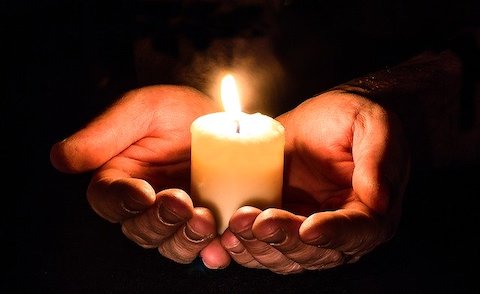
The primary function of a ritual is to mark a transition from one reality into a new one. Rituals during or after grieving are activities we take part in to give us meaning by providing a symbolic connection to those we have lost.
Rituals can take on a variety of forms and purposes:
- Rituals of Continuity – This type of ritual implies that the person is still part of my life and there exists a continuing bond. For example, on her birthday a daughter makes her deceased mother’s recipe for a desert. Only a few people in the family like the desert, but she continues to prepare it as during this process she feels connected to her mother.
- Rituals of Transition – This type of ritual marks that a change has taken place in the grief response. For example, this could involve symbolically ‘letting go’ of the deceased in some manner.
- Rituals of Affirmation – This is a ritual act whereby one writes a letter or poem to the deceased thanking the person for their caring, love, help and support.
- Rituals of Intensification – This type of ritual intensifies connection among group members and reinforces their common identity. For example, a gathering by family, friends and colleagues in memory of the deceased.
Certain dates that we celebrate, but may not be thought of as being rituals, can be very difficult – examples would be birthdays, anniversaries, holidays, religious celebrations, the anniversary of the death and other specific family markers.
One way to approach these times is to plan ahead in order to acknowledge the ritual both emotionally and symbolically. This will help to acknowledge in some personal way the relationship and life that was shared with the deceased rather than it be avoided.
References:
A full list of references is available in the Reference Material section.
- Johnson, R. (2013). Spirituality in Counselling and Psychotherapy: An Integrative Approach that Empowers Clients. New Jersey: Wiley & Sons.
- Niemeyer, R. (2016) (Ed.) Techniques of Grief Therapy. New York: Routledge.
- Wheeler-Roy, S., & Amyot, B., A. (2000) A Field Manual Grief Counseling Resource Guide. New York State Office of Mental Health.