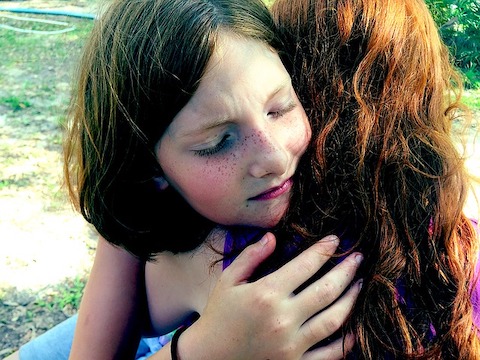
Families are seen as arenas of grief – they themselves do not grieve, but the family members grieve in the context of their family. Differential grief is the tendency of family members to be dealing with different issues at different times in their grief process, and sometimes with contrasting styles, but each affecting and being affected by the others.
This form of grieving can lead to additional distress, especially if the expectation is that family members, having had the same loss, will grieve in the same way.
Each family member’s grief has its own unique character, based on the relationship that member had with the person who has died. The relationship that each griever has with other grievers, and underlying family dynamics may also contribute to differences among family members. Some may see the loss as devastating, others may see it as distressing, yet others may find it a relief. Thus, family members may find each other’s style of grief difficult to cope with.
The end result of this is that a great deal is happening simultaneously, as each family member attempts to come to terms with their individual loss. This can place a tremendous strain on the family.
Resolving Grief in a Family Context
There are three essential tasks that have been suggested for grief resolution in families:
- There must be a recognition of the loss and of the unique grief experienced by each member. For this, family members should share their emotions and thoughts as the most essential element in grief resolution in a family is being able to engage in open and honest communication;
- As the loss of a family member disrupts the family structure, in order for the family to continue, certain roles must be carried out by its members. This means the family must be reorganised after the loss and activities and roles carried out by the deceased must be reassigned or abandoned to reduce the sense of chaos in the family;
- There must be a reinvestment of family members in this new family.
References:
A full list of references is available in the Reference Material section.
- Barnet, L. ed. (2009) When Death Enters the Therapeutic Space: Existential Perspectives in Psychotherapy and Counselling. Hove: Routledge.
- Gilbert, K. (1996). “We’ve had the same loss – why don’t we have the same grief?” Loss and Differential Grief In Families. Death Studies, 20.